In a business world dominated by screens, algorithms, and automation, the oldest medium of communication — ink on material — is quietly regaining commercial weight. Across New York and New Jersey, print shops once considered obsolete are reemerging as high-tech manufacturing partners. From Soho retail pop-ups to Hudson Yards corporate offices, companies are rediscovering that physical presence sells. Among those leading the revival is Signs7, a New York–based commercial printing and signage company that has turned the tactile into a strategic business asset.

The Situation
After more than a decade of decline, the U.S. commercial printing sector has entered a phase of recovery. IBISWorld estimates industry revenue at $82 billion in 2024, up 4.3 percent year-on-year. Much of this rebound is concentrated in urban B2B corridors like New York–New Jersey, where construction, real estate, and corporate marketing intersect.
The pandemic-era collapse of trade shows and in-person retail left a vacuum that digital channels alone could not fill. Now, as in-person commerce returns, companies are restoring budgets for building signage, branded interiors, and experiential displays. Google’s search data show a steady monthly rise in queries for “print shop near me” and “custom print shop” — evidence that businesses again value physical execution close to home.
“Digital has reached saturation,” says Laura McKenzie, a B2B marketing researcher at Columbia Business School. “Executives have realized that not everything can be optimized through a screen. Physical media builds memory — and trust.”

The Business Mechanics
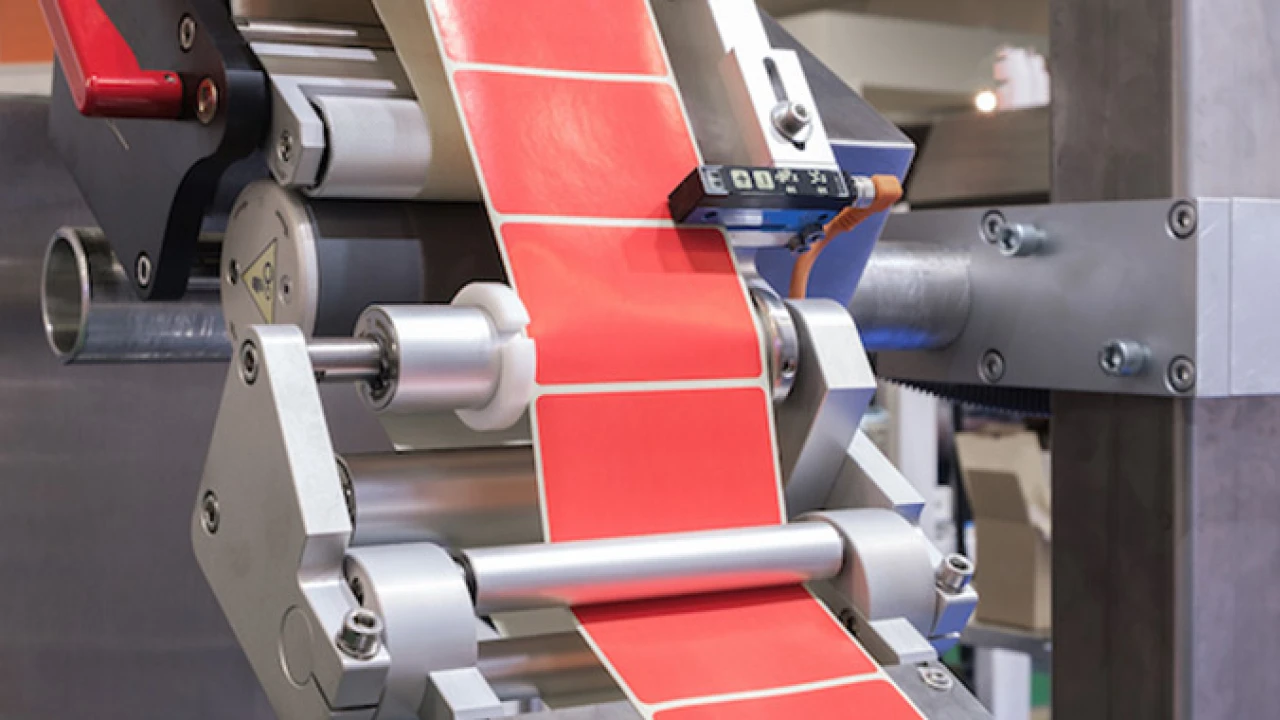
The economics behind this resurgence look nothing like the print industry of the 1990s. Traditional offset runs are shrinking; what grows are short-run, on-demand, and customized print orders tied to corporate identity, compliance, and space branding.
Signs7, headquartered in New York, exemplifies this transformation. Originally operating in architectural and retail signage, the company has evolved into a full-cycle B2B print partner — offering concept design, high-resolution printing, fabrication, installation, and regulatory coordination. Its collaboration with Easy Way Install, a specialist in site logistics and compliance, allows clients to move from approved design to installed signage within forty-eight hours.
That operational integration redefines the term “local print shop.” Signs7’s production lines in Brooklyn handle everything from large-format vinyl graphics to CNC-cut lettering and LED illuminated storefront systems, while its mobile installation teams cover Manhattan, Queens, and New Jersey commercial zones. The firm’s client base ranges from property developers and construction firms to retail franchises and creative agencies seeking one accountable vendor for design-to-installation workflows.
“Speed and precision matter more than ever,” notes a Signs7 operations manager. “Corporate clients don’t just buy print — they buy certainty that their visual identity will be delivered, permitted, and mounted on time.”
Margins in such hybrid models have expanded accordingly: industry analysts estimate 15–20 percent gross margins on complex B2B signage projects, compared with 8–10 percent in traditional print production.


Industry Voices and Expert Analysis
The commercial print recovery aligns with a broader economic correction. Businesses, overwhelmed by digital ad costs and algorithm volatility, are rebalancing their marketing portfolios. A Deloitte Digital survey in 2024 found that 72 percent of U.S. marketing executives plan to increase spending on tangible brand assets — packaging, environmental graphics, printed materials — through 2026.
“Physical media has become a trust signal,” says Dr. Emily Chen, media-economics lecturer at NYU. “When a company invests in print — especially large-format signage or corporate interior branding — it communicates permanence. That’s persuasive in an era of digital transience.”
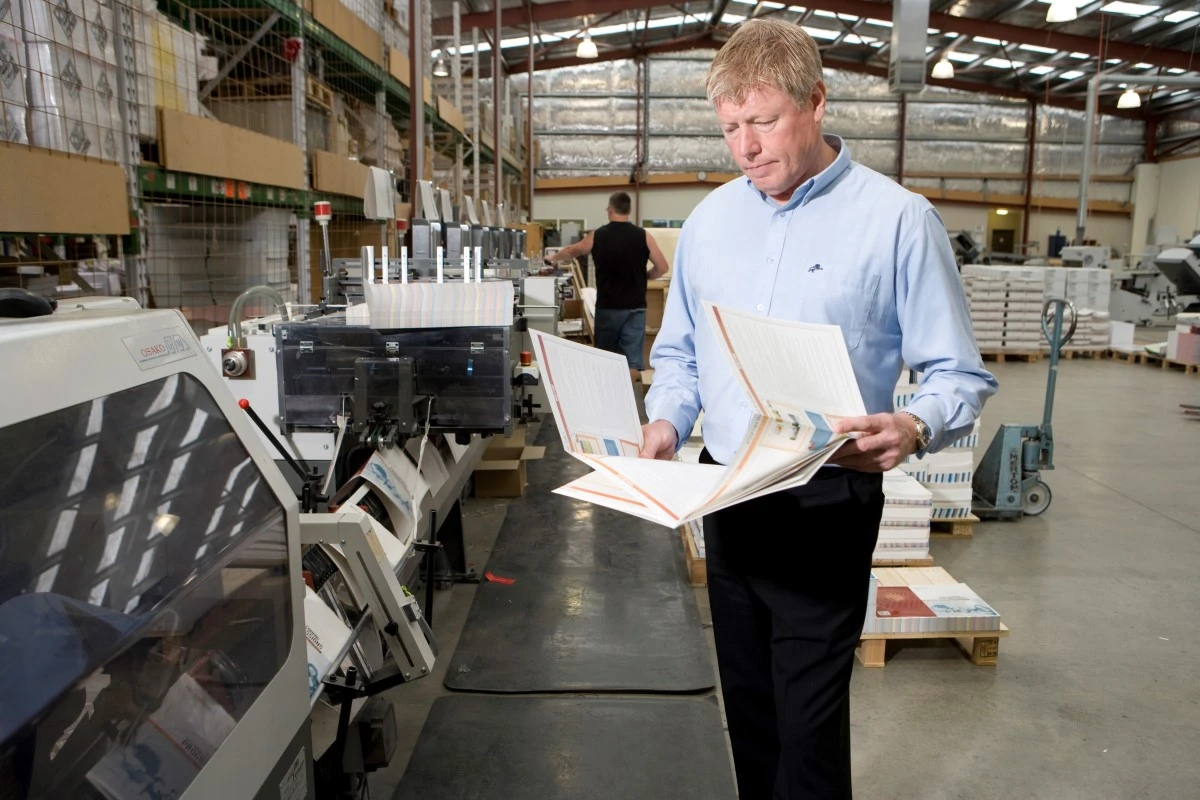
Local print operators that embraced technology are benefiting most. Web-to-print systems, automated prepress workflows, and AI-based color calibration now allow real-time order management once reserved for global conglomerates. Signs7 has implemented an internal platform where clients upload artwork, view proofs, and schedule installation directly — a model combining digital convenience with local accountability.
“Print has entered its software era,” says Luis Hernandez, operations analyst at Smithers. “The best shops are micro-manufacturers with cloud-connected workflows.”
Global Contrast
Globally, New York’s print resurgence stands out.
In Western Europe, small operators face consolidation under rising energy costs and strict environmental mandates. Germany’s commercial print market, once the continent’s largest, shrank by nearly 12 percent between 2021 and 2024. In Asia, particularly China and India, oversupply and price competition have commoditized printing services; profit margins there average below 6 percent.
North America, by contrast, benefits from its proximity-based B2B culture. U.S. firms prioritize turnaround time, regulation familiarity, and on-site reliability. When a real-estate developer in Manhattan must replace exterior wayfinding within 24 hours to meet inspection, a “local print shop near me” is not convenience — it’s risk mitigation.
Signs7 leverages this geography. Positioned between Brooklyn’s design ecosystem and New Jersey’s logistics infrastructure, it can source materials domestically, fabricate overnight, and dispatch licensed installers across boroughs before morning. Few offshore competitors can replicate that velocity or navigate New York City’s Department of Buildings (DOB) permitting process, where delays can halt entire construction schedules.

Sustainability and Compliance
Sustainability has moved from marketing rhetoric to procurement prerequisite. Corporate buyers increasingly demand eco-certified inks, PVC-free substrates, and low-VOC laminates. The City of New York’s Local Law 97, focused on carbon reduction, indirectly pressures signage vendors to document material origin and waste recycling.
Signs7 has responded by transitioning to UV-cured inks, adopting recyclable aluminum composites, and piloting solar-offset production cycles in partnership with regional suppliers. “We’re not chasing green trends,” a company engineer remarks. “We’re aligning with the compliance codes our clients must meet.”
This alignment offers competitive advantage: firms demonstrating environmental transparency can qualify for municipal and federal projects otherwise inaccessible to legacy printers.
Outlook: What Comes Next
Market forecasts project 6–8 percent annual growth for metropolitan commercial printing through 2026. Demand drivers include:
- Construction & real estate expansion: ongoing mixed-use developments across Hudson Yards, Queens, and Jersey City require compliant site signage and wayfinding systems.
- Retail re-design cycles: brands shifting toward experiential interiors depend on quick-turn local graphics production.
- Corporate rebranding: post-merger identity rollouts and event programs require consistent, localized execution.
Analysts expect automation and AI to further compress production cycles. Predictive analytics could soon schedule print runs based on regional event calendars or permit-issuance data. Shops like Signs7 are already integrating machine-learning modules to forecast material demand and reduce waste.
“The winners will be the ones who treat print as logistics, not art,” says Jonathan Eames, senior partner at McKinsey’s manufacturing practice. “Printing has become a last-mile service in the communication supply chain.”
Strategic Implications
For investors, the resurgence of urban printing marks an overlooked segment of the small-business manufacturing economy — one combining automation, local employment, and infrastructure adjacency.
For policymakers, it demonstrates how urban economies can sustain high-skill fabrication within city limits when supported by compliance frameworks.
For corporate decision-makers, the message is tactical: local physical execution has regained ROI relevance in brand strategy.
Signs7’s trajectory mirrors that logic. By integrating print, fabrication, and field installation — once separate trades — the company exemplifies how B2B vendors can thrive by shortening distance between design and delivery.
New York’s commercial printing revival is not a sentimental return to ink; it is a structural correction in a digital-saturated economy. Physical media now operates where digital cannot: at the intersection of trust, visibility, and compliance.
For companies like Signs7, the opportunity lies in mastering that intersection — merging digital efficiency with physical credibility. Their presses may be quieter than the city’s tech headlines, but their output is tangible proof that in business communication, what’s seen — and touched — still matters most.